Searching for the Best Air Purifier that eliminates allergens, removes odors, and creates healthier indoor environments for families and pets? Understanding the challenge of finding effective purifiers that handle large spaces, operate quietly, and require minimal maintenance is essential. This comprehensive guide showcases top-rated air purifiers that deliver powerful filtration, impressive coverage, and smart features without excessive noise or complicated filter replacements. Tired of air purifiers that fail to remove stubborn odors, create disruptive noise during sleep, or require constant filter changes that drain budgets? These expert recommendations feature only the finest air purifiers that maintain their effectiveness through years of continuous operation. Ready to transform indoor air quality with technology that combines medical-grade filtration with user-friendly convenience? Let’s explore these exceptional options that bring together advanced purification with practical everyday performance.
Contents
5. Mooka Air Purifier

The MOOKA Air Purifier delivers exceptional performance for pet owners through its innovative higher air intake design. Engineered with a larger front air inlet combined with wider dual-side air inlets, this purifier surpasses single inlet designs by trapping airborne pet hairs and odors more efficiently. The enhanced inlet configuration creates superior airflow that captures pet-related particles before they settle on furniture or carpets. This large room air purifier demonstrates impressive coverage capabilities, cleaning spaces up to 2200 square feet per hour, making it ideal for open-concept living areas, finished basements, or multi-room coverage where pet dander and odors tend to spread throughout connected spaces.
Cost-effective filtration distinguishes this model through its washable filter system. Equipped with a high-efficiency three-stage filtration process, the air cleaner effectively filters airborne particles as small as 0.3 microns, including pollen, dust, and pet dander that trigger allergies and respiratory issues. The washable pre-filter extends filter life significantly—simply clean it with water or a vacuum cleaner to maintain optimal performance between replacements. The increased quantity of activated carbon pellets helps absorb stubborn odors such as pet smells, cooking fumes, and volatile organic compounds that linger in homes. This washable design reduces long-term operating costs compared to purifiers requiring frequent complete filter replacements.
Multi-functional operation meets energy efficiency through thoughtful engineering. The room air purifier features four adjustable fan speeds, allowing users to select appropriate settings based on current air quality needs. Higher wind speeds deliver faster purification when addressing immediate concerns like cooking odors or seasonal pollen infiltration, while lower speeds maintain air quality during normal conditions. The convenient timer function offers 2, 4, 6, or 8-hour settings perfect for overnight operation or scheduled purification during absences. Remarkably, running at maximum wind speed for 24 hours consumes only 0.63 kilowatt-hours of electricity, making continuous operation affordable even for budget-conscious households concerned about utility costs.
Sleep-friendly quiet operation addresses concerns about rest disruption. The specialized sleep mode produces noise as low as 20 decibels—quieter than a whisper—creating perfect conditions for light sleepers, babies, or pets sensitive to ambient sounds. The combination of low noise, reduced speed, and no indicator lights ensures undisturbed sleep while maintaining air purification throughout the night. Additional thoughtful features include an essential oil diffuser function with an aromatherapy pad on top, allowing users to add pleasant scents that spread throughout rooms with the airflow. The child lock design prevents accidental setting changes or injury from curious babies or pets. The filter replacement reminder illuminates when filters reach the end of their service life, eliminating guesswork about maintenance timing and ensuring optimal purification effectiveness continues.
4. Blueair Air Purifier
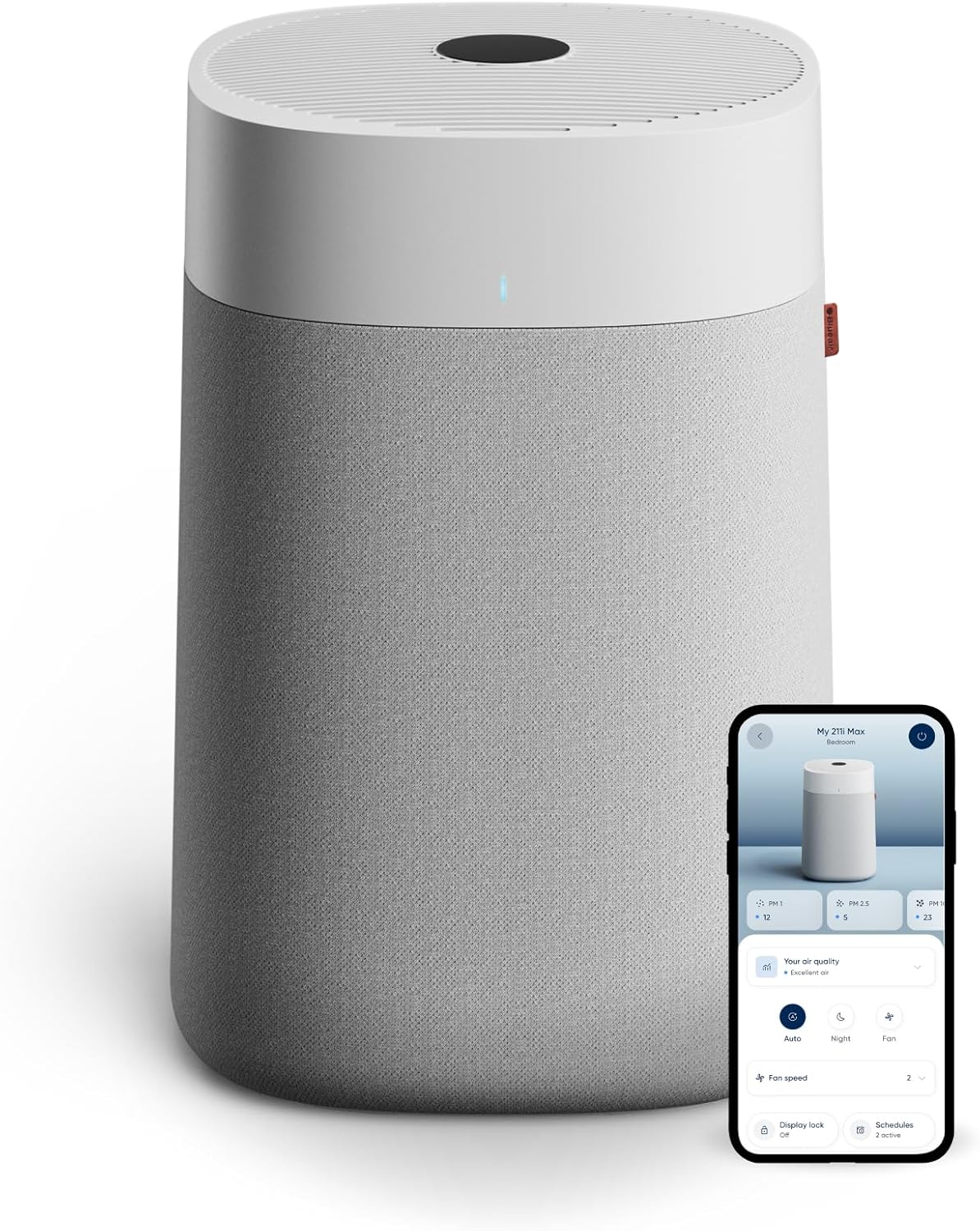
The BLUEAIR Blue Pure 211i Max represents the company’s top-performing air purifier line, featuring the new Pure Max series with proprietary HEPASilent performance technology. This latest generation delivers up to 83% faster cleaning and operates with 50% less noise compared to previous models, addressing the two most critical concerns users express about air purifiers. The dramatic performance improvements result from engineering advances that optimize airflow patterns and motor efficiency, creating a purifier that works harder while remaining quieter than ever before.
Exceptional coverage capabilities distinguish this Quiet Mark certified purifier that operates between 23 to 53 decibels across its speed settings. The impressive cleaning capacity handles spaces up to 3,048 square feet in 60 minutes, 1,524 square feet in 30 minutes, or 635 square feet in approximately 12.5 minutes on high speed settings. This versatility accommodates various room sizes and purification needs—from rapidly clearing smoke or odors in smaller spaces to maintaining continuous air quality in expansive open-concept areas. The Quiet Mark certification confirms independent verification of the purifier’s remarkably low noise levels, providing assurance that specifications reflect real-world performance rather than marketing claims.
Advanced HEPASilent dual filtration technology delivers superior performance compared to traditional HEPA filtration alone. This proprietary system combines mechanical and electrostatic filtration to produce more clean air faster while consuming less energy and generating reduced noise. The technology removes at least 99.97% of tiny airborne particles like viruses and smoke down to 0.1 microns—smaller than most HEPA standards require—while capturing pet dander, pollen, mold allergens, and dust that trigger allergic reactions. The integrated carbon filter traps light household odors from smoking, pets, and cooking, addressing both particle pollution and odor concerns through a single comprehensive system.
Smart connectivity elevates user experience through the Blueair app offering extensive customization features. Scheduling capabilities allow automated operation aligned with daily routines, while air quality monitoring provides real-time insights into indoor pollution levels. The Clean Air ETA feature estimates time required to achieve target air quality, and Welcome Home geofencing automatically activates the purifier when users approach their residence. The accurate RealTrack filter tracking technology monitors actual usage to provide precise 6 to 9-month filter replacement timing rather than arbitrary calendar-based reminders. Alexa voice control compatibility enables hands-free operation for ultimate convenience. The intuitive LED display combined with advanced pollution sensors monitoring PM1, PM2.5, and PM10 particles provides real-time indoor readings with five-color air quality index visualization. The streamlined two-button design simplifies control of fan speeds 1 through 4, including night mode, auto settings, brightness adjustments, and child lock features that prevent unintended changes.
3. Winix 5510 Air Purifier

The WINIX 5510 Air Purifier delivers verified performance through AHAM certification at 392 square feet while demonstrating impressive larger space capabilities. This new generation model with app support effectively cleans rooms up to 1,881 square feet in one hour, 940 square feet in 30 minutes, 627 square feet in 20 minutes, or 470 square feet in just 15 minutes. The AHAM verification provides independent third-party confirmation of performance claims, giving consumers confidence that advertised specifications reflect actual purification capabilities rather than theoretical maximums. This range of coverage options makes the purifier adaptable for everything from bedrooms and home offices to large living areas and finished basements.
Winix True HEPA filtration technology captures an exceptional 99.99% of airborne allergens including pollen, dust, smoke, and pet dander as small as 0.01 microns. This filtration standard exceeds typical HEPA specifications that target 0.3-micron particles, providing enhanced protection against ultrafine particles that penetrate deeper into respiratory systems and cause more severe health effects. The superior filtration proves particularly valuable for households with allergy sufferers, asthma patients, or individuals with compromised immune systems who require maximum protection from airborne contaminants. The comprehensive particle capture ensures even microscopic allergens and pollutants get removed before they trigger symptoms or health complications.
The washable fine mesh pre-filter serves as the first line of defense against the largest airborne particles found indoors. This reusable component captures hair, pet fur, large dust particles, and lint before they reach the True HEPA filter, extending the main filter’s lifespan significantly. Regular washing of the pre-filter—typically every two to four weeks depending on air quality—maintains optimal airflow while reducing long-term filter replacement costs. This cost-saving feature proves especially beneficial in homes with pets or in areas with high particulate pollution where pre-filters would otherwise require frequent replacement.
Advanced odor control capabilities come from the specialized carbon filter designed for high deodorization performance. This enhanced carbon system reduces volatile organic compounds and household odors from cooking, pets, and smoke more effectively than standard carbon filters found in basic air purifiers. The carbon filter design catches airborne particles while simultaneously absorbing gaseous pollutants and odors, providing comprehensive air cleaning that addresses both particle and odor concerns. This dual-action approach helps prolong True HEPA filter life by preventing odor-causing compounds from saturating the primary filtration media, ensuring the purifier maintains peak performance throughout its service life.
2. Aroeve Air Purifier

The AROEVE Air Purifier demonstrates impressive particle filtration through its advanced filter system that captures smoke, pollen, dander, hair, and numerous other airborne contaminants. This comprehensive filtration potentially improves air quality significantly, promoting better health and well-being for household members who suffer from allergies, asthma, or general sensitivity to poor air quality. The three-layer filter construction provides graduated filtration that efficiently removes particles of varying sizes, from large visible debris to microscopic allergens invisible to the naked eye. This thorough approach ensures cleaner breathing air throughout living spaces.
High circulation rate capabilities result from innovative dual-channel and 360-degree air inlet technology. This design refreshes the air per hour in rooms up to 287 square feet or 25 square meters, ensuring the purifier reaches every corner to promote better health throughout the entire space. The comprehensive air circulation prevents dead zones where stale air accumulates, a common problem with purifiers using single-direction airflow. The complete room coverage proves particularly valuable in bedrooms where consistent air quality throughout the night supports better sleep and respiratory health, or in home offices where maintained air quality helps sustain focus and productivity during long work sessions.
Low decibel operation creates peaceful environments essential for rest and concentration. The AROEVE air purifier operates quietly across all speed settings, with exceptional silence when sleep mode activates. This specialized mode reduces fan speed to the lowest setting, effectively eliminating noticeable sound while maintaining continuous air purification. The filtered air noise measures as low as 22 decibels—comparable to rustling leaves—making it ideal for creating peaceful and relaxing indoor environments without sacrificing impressive purification performance. This whisper-quiet operation proves perfect for light sleepers, nurseries with infants, or anyone sensitive to ambient noise who previously avoided air purifiers due to disruptive operational sounds.
Fragrant air enjoyment comes through the integrated aroma pad feature located below the air outlet. Users can add four to five drops of favorite essential oils to the pad, and as the purifier circulates fresh air, the fragrance spreads throughout the room naturally. This aromatherapy function creates pleasant and healthy environments for families to enjoy, combining clean air with mood-enhancing or relaxation-promoting scents. The feature proves especially valuable in bedrooms where lavender or chamomile oils support better sleep, or in living areas where energizing citrus scents create more inviting atmospheres. The combination of purification and aromatherapy elevates the device beyond basic air cleaning into a comprehensive wellness tool that addresses both physical air quality and emotional well-being through scent therapy.
1. Levoit Air Purifier
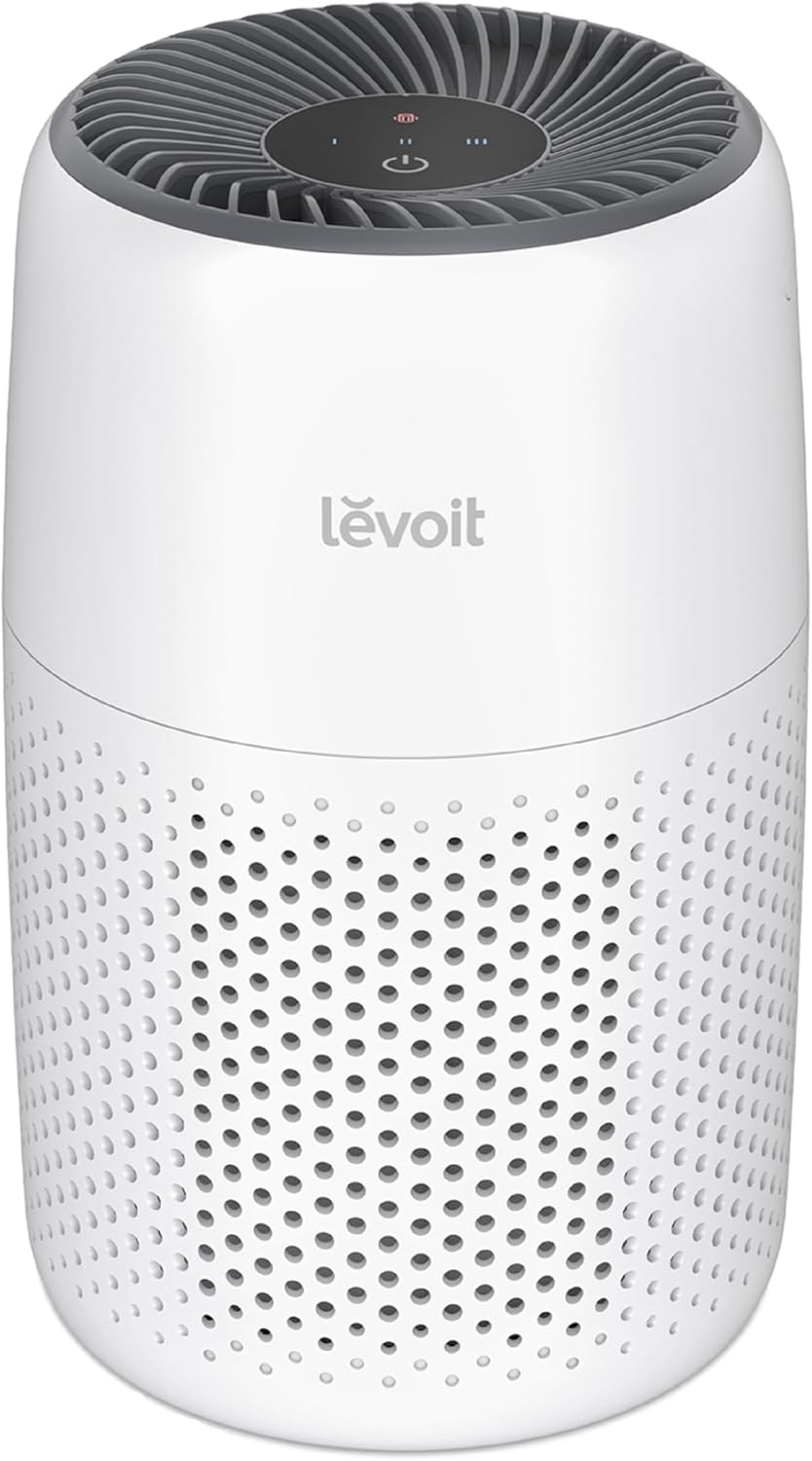
The LEVOIT Core Mini-P Air Purifier excels at removing pollutants everywhere through its comprehensive pre-filter and main filter combination. These filtration stages capture lint, hair, pet dander, fine airborne pollutants, and smoke particles that degrade indoor air quality and trigger respiratory issues. The dual-filter approach provides thorough purification that addresses both large visible particles and microscopic contaminants, helping achieve cleaner environments throughout homes. This complete filtration proves essential for households with pets, smokers, or allergy sufferers who need reliable protection from multiple pollutant types simultaneously.
Odor neutralization receives special attention through the activated carbon filter that helps eliminate smoke, unwanted smells, and fumes that make indoor spaces unpleasant. The feeling of breathing deeply at home without encountering stale odors, cooking smells, or pet-related scents dramatically improves quality of life and makes spaces more welcoming for family and guests. The carbon filtration proves particularly effective against persistent odors that simple ventilation cannot eliminate, such as lingering smoke from cooking or tobacco, bathroom odors, or musty smells from dampness. This odor control capability transforms living environments from merely acceptable to genuinely pleasant.
Versatile placement options make this compact purifier usable anywhere throughout homes. The Levoit Core Mini-P air purifier allows users to focus on activities in bedrooms, kitchens, or offices without air quality concerns disrupting concentration or comfort. The unit offers an auto-off display feature that eliminates light pollution during sleep while maintaining continuous purification, ensuring nothing interrupts rest. The integrated calming aromatherapy function adds another dimension to the purification experience, allowing users to create customized environments that support their specific needs—whether promoting sleep, enhancing focus, or simply creating more pleasant atmospheres.
Industry leadership credentials establish LEVOIT as the number one air purifier brand with impressive global reach. The company has sold over 6.5 million products worldwide, maintains availability in 35 countries and regions, and has pioneered air purification technology for six years. This extensive experience and market presence demonstrate consistent product quality and customer satisfaction that builds lasting brand loyalty. The widespread adoption across diverse markets confirms the purifiers perform reliably under varying conditions and meet expectations across different cultural preferences and air quality challenges.
Genuine filter importance cannot be overstated for maintaining optimal performance. LEVOIT emphasizes using only authentic replacement parts, specifically the Core Mini-RF filters, to preserve the purifier’s effectiveness and longevity. Off-brand filters prove inconsistent and unreliable, often using inferior materials that fail to meet filtration standards while potentially damaging the air purifier through improper fit or inadequate construction. The use of genuine filters ensures continued warranty coverage, maintains certified performance standards, and protects the investment by preventing damage from substandard components. This commitment to quality extends the purifier’s service life while ensuring it continues delivering the clean air that families depend on for health and comfort.
The Ultimate Guide to Air Purifiers: Cleaner Air, Healthier Living, and Allergen-Free Environments
Air purifiers have become essential appliances for modern homes, effectively removing pollutants, allergens, and odors that compromise indoor air quality and health. Beyond simply filtering dust, quality air purifiers eliminate microscopic particles including viruses, bacteria, mold spores, and chemical vapors that traditional cleaning methods cannot address. With numerous models available—from compact desktop units to whole-home systems—selecting the ideal air purifier requires understanding filtration technologies, room coverage capacities, noise levels, and maintenance requirements. This comprehensive guide explores everything essential about air purifiers, helping consumers navigate technical specifications to find perfect matches for their specific air quality concerns and living situations.
Understanding Different Types of Air Purification Technologies
Not all air purifiers employ identical filtration methods or deliver the same results. Recognizing the distinct characteristics of each technology ensures purchases effectively address specific air quality concerns.
True HEPA Filtration
True HEPA (High-Efficiency Particulate Air) filtration represents the gold standard for particle removal, capturing 99.97% of particles as small as 0.3 microns. This exceptional efficiency removes pollen, dust mites, pet dander, mold spores, and many bacteria that trigger allergies and respiratory issues. The mechanical filtration process forces air through dense filter media where particles become trapped in the fibers, preventing them from recirculating into living spaces. Medical facilities, laboratories, and cleanrooms rely on HEPA filtration due to its proven effectiveness and reliability. For homes, True HEPA purifiers provide hospital-grade air cleaning that significantly reduces allergen exposure for sensitive individuals. The technology requires no chemicals or ozone generation, making it safe for continuous operation around children, pets, and individuals with chemical sensitivities. HEPA filters typically last 6 to 12 months depending on air quality and usage, requiring periodic replacement to maintain effectiveness.
Activated Carbon Filtration
Activated carbon filtration specifically targets gaseous pollutants and odors that HEPA filters cannot capture. The porous carbon structure contains millions of tiny pores that absorb volatile organic compounds, smoke, cooking odors, pet smells, and chemical vapors through a process called adsorption. This technology proves essential for addressing odor concerns that make living spaces unpleasant despite clean-looking air. Quality air purifiers combine activated carbon with HEPA filtration, providing comprehensive purification that addresses both particle and gas-phase pollutants. The amount of activated carbon directly affects odor removal capacity—more carbon means longer-lasting odor control and better performance against strong smells. Carbon filters require replacement every 3 to 6 months in typical residential applications, with heavier odor loads necessitating more frequent changes to maintain effectiveness.
Ionic and Electrostatic Purification
Ionic air purifiers generate negative ions that attach to airborne particles, causing them to clump together and become heavy enough to fall from the air or stick to collection plates. Some models combine ionic technology with fan-driven filtration, using electrical charges to enhance particle capture efficiency. The technology operates silently since it doesn’t require powerful fans, appealing to noise-sensitive users. However, some ionic purifiers produce ozone as a byproduct—a lung irritant that can worsen respiratory conditions at elevated concentrations. Modern ionic purifiers designed for residential use generate minimal ozone within safe limits, but consumers should verify ozone output specifications before purchasing. Electrostatic filters use permanent filters that capture charged particles, offering washable, reusable filtration that eliminates ongoing filter costs. These systems work well for basic particle removal but typically don’t match HEPA efficiency for microscopic particles or provide odor control without supplemental carbon filtration.
Essential Benefits of Using Air Purifiers
Allergy and Asthma Relief
Air purifiers deliver dramatic symptom reduction for allergy and asthma sufferers by continuously removing triggers from indoor air. Pollen, dust mites, pet dander, and mold spores that cause sneezing, congestion, itchy eyes, and breathing difficulties get captured before they can provoke immune responses. Many users report sleeping better, experiencing fewer allergy medications requirements, and enjoying improved overall quality of life after implementing air purification. The benefits prove particularly significant during high pollen seasons when outdoor allergen levels make symptoms unbearable. By maintaining clean indoor air, purifiers create safe havens where sensitive individuals can retreat from environmental triggers. Children with asthma experience fewer attacks and reduced rescue inhaler usage when sleeping in rooms with properly sized air purifiers, potentially preventing emergency room visits and missed school days.
Protection from Airborne Viruses and Bacteria
The COVID-19 pandemic heightened awareness of airborne disease transmission and the role air purifiers play in reducing infection risks. HEPA filtration effectively captures virus particles and bacteria, preventing their circulation through indoor spaces where they could infect occupants. While air purifiers cannot eliminate all infection risks, they provide an additional layer of protection that complements other preventive measures. The continuous air cleaning proves especially valuable in homes with immune-compromised individuals, elderly family members, or anyone at elevated risk from respiratory infections. Beyond viruses, air purifiers reduce exposure to bacteria that cause strep throat, tuberculosis, and other airborne illnesses. This protective benefit extends year-round, not just during cold and flu seasons, contributing to overall household health and reducing sick days.
Elimination of Household Odors
Air purifiers with activated carbon filtration eliminate persistent odors that make homes less pleasant and potentially embarrassing when guests visit. Cooking smells, pet odors, smoke, bathroom scents, and musty basement odors get absorbed and neutralized rather than simply masked with air fresheners. This genuine odor elimination creates fresher-smelling living spaces without chemical fragrances that can trigger sensitivities or headaches. The continuous odor control proves particularly valuable for pet owners whose homes can develop that characteristic “pet smell” despite regular cleaning. Smokers benefit from reduced lingering tobacco odors that permeate furniture, curtains, and carpets. Even strong cooking odors from fish, curry, or fried foods dissipate more quickly with carbon filtration assistance, allowing normal activities without worrying about lasting smell impacts.
Critical Factors to Consider Before Purchasing
Room Size and Coverage Capacity
Matching air purifier capacity to actual room dimensions represents the most critical factor affecting performance satisfaction. Manufacturers specify coverage areas based on air changes per hour (ACH)—typically 4 to 5 complete air changes hourly for adequate purification. A purifier rated for 300 square feet will struggle in a 500-square-foot room, running constantly without achieving effective air cleaning. Conversely, oversized purifiers waste energy and money in small spaces. Measure room dimensions carefully, calculating square footage by multiplying length times width. For rooms with high ceilings exceeding 8 feet, increase the effective square footage proportionally. Consider purchasing purifiers rated for spaces 20% to 30% larger than actual rooms to ensure adequate performance even when operating at lower, quieter speeds. Open floor plans require treating connected spaces as single large rooms when calculating coverage requirements.
Clean Air Delivery Rate (CADR)
CADR ratings provide standardized measurements of purifier effectiveness for specific pollutant types—smoke, pollen, and dust. Higher CADR numbers indicate faster, more complete pollutant removal. The Association of Home Appliance Manufacturers tests and certifies CADR ratings, providing independent verification of performance claims. Look for CADR ratings at least two-thirds of the room’s square footage for adequate performance—a 300-square-foot room benefits from CADR ratings around 200 or higher. Separate CADR ratings for different pollutants reflect performance variations—purifiers might excel at removing large pollen particles while performing moderately on fine smoke particles. Evaluate CADR ratings for pollutants matching primary concerns. Households focused on allergies prioritize pollen CADR, while homes with smokers emphasize smoke CADR ratings.
Noise Levels Across Operating Speeds
Operational noise significantly impacts user satisfaction and determines whether purifiers get used consistently or relegated to closets. Manufacturers specify decibel levels across fan speed settings, with lowest speeds typically producing 20 to 30 dB (whisper-quiet) and highest speeds reaching 50 to 60 dB (normal conversation level). For bedroom use, prioritize models offering sleep modes under 30 dB to avoid sleep disruption. Living area purifiers tolerate higher noise levels since ambient household sounds mask operational noise. Read reviews specifically mentioning noise levels, as subjective sound quality varies between models despite similar decibel ratings—some produce pleasant white noise while others generate annoying whines or vibrations. Consider that purifiers running continuously at moderate speeds often prove more effective and less disruptive than units cycling between high-speed operation and off periods.
Filter Replacement Costs and Availability
Initial purchase price represents only part of total ownership costs—ongoing filter replacements accumulate significantly over purifier lifespans. HEPA filters typically cost $30 to $100 and require annual replacement, while carbon filters range from $15 to $50 with 3 to 6-month lifespans. Calculate annual filter costs before purchasing, as some budget-friendly purifiers use expensive proprietary filters that make them costly long-term. Verify replacement filter availability through multiple retailers to avoid being captive to single-source pricing or facing shortages. Some manufacturers offer subscription programs with discounted filter deliveries on appropriate schedules, simplifying maintenance while reducing costs. Purifiers with washable pre-filters reduce expenses by extending primary filter life. Avoid off-brand replacement filters despite lower prices—they often use inferior materials that reduce filtration efficiency, generate more noise, or damage purifiers through improper fit.
Essential Features That Enhance Usability
Air Quality Sensors and Auto Mode
Built-in air quality sensors continuously monitor particulate levels, automatically adjusting fan speeds to maintain optimal air quality. This intelligent operation increases purification when sensors detect elevated pollution from cooking, cleaning, or opened windows, then reduces speeds during clean air periods to save energy and reduce noise. The automatic adjustment eliminates manual speed changes while ensuring air stays consistently clean. Visual indicators using color-coded lights provide instant air quality feedback—typically green for good, yellow for moderate, and red for poor air quality. This real-time monitoring helps users understand how activities affect indoor air and confirms purifiers are working effectively. Auto mode proves especially valuable during sleep when manual adjustments aren’t practical, ensuring protection continues despite changing air quality conditions.
Timer Functions and Scheduling
Programmable timers allow setting specific operating periods aligned with daily routines and occupancy patterns. Schedule purifiers to run during sleeping hours, automatically turning off after households awaken, conserving energy during absences. Some smart purifiers offer weekly scheduling through mobile apps, enabling different programs for weekdays versus weekends. Timer functions prove particularly useful in children’s bedrooms or home offices with predictable usage patterns. The automated operation ensures air purification happens consistently without requiring daily attention, making clean air as automatic as other essential utilities. Energy savings accumulate significantly when purifiers run only during occupied periods rather than continuously, though severely allergy-sensitive individuals benefit from 24-hour operation to prevent particle accumulation.
Filter Replacement Indicators
Electronic filter replacement indicators eliminate guesswork about maintenance timing by tracking actual runtime hours or air quality conditions. Indicators illuminate when filters reach end-of-life, ensuring replacements happen before filtration efficiency degrades noticeably. This precision prevents premature filter changes that waste money while avoiding delayed replacements that reduce air quality. Advanced indicators track individual filter components separately—pre-filters, HEPA filters, and carbon filters—since they have different lifespans. Some systems calculate replacement timing based on air quality rather than just runtime, providing more accurate maintenance schedules. The reminders prove especially valuable for busy households where filter maintenance might otherwise get forgotten for months, allowing pollutant buildup that defeats the purifier’s purpose.
Proper Air Purifier Placement and Operation
Optimal Room Positioning
Air purifier placement dramatically affects performance regardless of specifications. Position units with adequate clearance on all sides—typically 12 to 18 inches—to allow unobstructed airflow into intake vents and out of discharge vents. Avoid placing purifiers in corners or against walls where furniture or architectural features block airflow. Central room locations provide best coverage, though floor plans often make this impractical. Position units away from curtains or other fabrics that could get drawn into intakes, reducing efficiency while potentially damaging the purifier. Elevating purifiers on low tables or stands can improve circulation in some room configurations, though floor placement works well for most applications. Never place purifiers near strong odor sources like litter boxes, as this overwhelms carbon filters prematurely without effectively distributing clean air throughout rooms.
Operating Continuously Versus Intermittently
Continuous operation provides superior air quality compared to intermittent use, though energy considerations and noise concerns sometimes make 24-hour operation impractical. Running purifiers constantly prevents particle accumulation that occurs during off periods, maintaining consistently clean air that maximally benefits sensitive individuals. However, operating only during occupied periods still provides significant air quality improvements while reducing energy consumption and extending filter life. For bedrooms, starting purifiers 30 to 60 minutes before sleeping allows initial air cleaning before occupancy, then continuous operation throughout the night at lower speeds maintains quality. Living areas benefit from higher speeds during active periods when activities generate more pollutants, transitioning to lower speeds during quiet evening hours. The optimal operation schedule balances air quality needs against practical considerations like noise tolerance and energy efficiency priorities.
Maintenance Beyond Filter Replacement
Regular exterior cleaning maintains appearance and prevents dust buildup on intake grills that restricts airflow. Wipe exteriors weekly with slightly damp cloths, avoiding excess water near electrical components. Vacuum intake vents monthly to remove accumulated dust and pet hair that impedes air circulation. Some models include washable pre-filters requiring monthly rinsing under running water—allow complete drying before reinstalling to prevent mold growth. Check for unusual noises indicating mechanical issues or objects obstructing fans. Verify indicator lights function properly, confirming the purifier operates normally. Annually inspect power cords for damage and ensure electrical connections remain secure. This preventive maintenance catches developing problems early while ensuring purifiers continue delivering peak performance throughout their service lives.
Making Your Final Decision
When selecting air purifiers, prioritize addressing primary air quality concerns rather than pursuing maximum specifications regardless of actual needs. Households focused on allergies emphasize HEPA efficiency and appropriate room coverage, while odor concerns require substantial activated carbon capacity. Noise-sensitive users prioritize quiet operation over maximum air exchange rates, accepting longer purification times for peaceful environments. Research manufacturer reputations and warranty terms—established brands typically provide better customer service, parts availability, and product longevity compared to unknown manufacturers offering attractive pricing but uncertain support.
Read extensive customer reviews focusing on long-term reliability and actual operating noise rather than just initial impressions. Verify filter availability and costs through multiple sources before committing to specific models. Consider total cost of ownership including electricity consumption and filter replacements over expected 5 to 10-year service lives. For whole-home air quality improvement, multiple smaller purifiers strategically placed often outperform single large units, providing targeted purification where families spend the most time.
The perfect air purifier balances filtration effectiveness with practical considerations like noise levels, energy efficiency, and maintenance convenience. By understanding filtration technologies and focusing on features that address specific air quality concerns, households will find options that genuinely improve indoor environments while delivering the clean, fresh air that supports health and comfort. Whether seeking allergy relief, odor elimination, or general air quality improvement, investing in quality air purifiers delivers daily benefits that justify the expense through better health, improved sleep, and more pleasant living spaces. The ability to breathe easily indoors regardless of outdoor air quality or seasonal allergen levels makes air purifiers among the most valuable health-supporting appliances for modern homes, particularly for families with young children, elderly members, or anyone managing respiratory conditions that benefit from consistently clean air.