Searching for the Best Audiophile Headphones that deliver pristine sound reproduction with exceptional comfort for your critical listening sessions? We understand the challenge of finding premium audio equipment that perfectly balances accurate frequency response with studio-grade construction. Our comprehensive guide showcases top-rated audiophile headphones that reveal every musical detail, provide wide soundstages, and transform your listening experience without requiring professional recording equipment. Tired of headphones with colored sound signatures, uncomfortable designs, or build quality that fails after minimal use? Our expert recommendations feature only the finest audiophile-grade headphones that maintain their sonic accuracy through years of critical listening. Ready to upgrade your audio experience with the clarity and precision it deserves? Let’s explore these exceptional options that blend reference-quality sound with real-world comfort and durability.
Contents
5. FiiO FT1

Looking to experience premium sound quality through innovative acoustic engineering that combines traditional materials with modern technology? The FiiO FT1 features a sophisticated nano wood fiber composite diaphragm primarily crafted from carefully selected wood fibers sourced from 90-year-old spruce trees harvested in Northern Europe. This time-tested tonewood incorporates a precise proportion of carbon fiber material, creating a remarkably thin diaphragm measuring approximately 0.1mm in thickness. This meticulous construction achieves the ideal balance of lightweight responsiveness and long-term durability, ensuring the driver moves quickly and accurately reproducing musical transients while withstanding years of intensive listening without performance degradation.
Revolutionary W-shaped independent suspension design represents FiiO’s latest self-developed acoustic technology, dramatically increasing the effective vibrating area of the diaphragm by an impressive 25.8% compared to conventional diaphragm designs of equivalent size. This substantially larger effective diaphragm area combined with increased amplitude allows the acoustic core unit to store significantly more sound energy, translating into improved dynamic range, enhanced bass extension, and greater overall sonic authority. The increased excursion capability means the drivers handle complex musical passages with greater ease, maintaining composure during crescendos and revealing subtle details during quiet sections that lesser drivers compress or obscure entirely.
Thoughtful ergonomic design prioritizes long-term wearing comfort through the portable lightweight headband featuring an innovative ball slide rail construction that significantly enhances durability compared to traditional adjustment mechanisms prone to loosening or breaking. The FT1 offers an extensive adjustment range spanning 0 to 11 distinct notches, accommodating virtually any head size from smaller builds to larger frames ensuring proper fit for the entire family. The headband contact area receives coverage with premium suede fabric, ensuring a comfortable, breathable experience that remains refreshing during extended listening sessions while proving durable enough for years of daily adjustments and wear.
Premium cable inclusion demonstrates FiiO’s commitment to signal quality—the package includes two professional-grade oxygen-free copper cables with silver plating for reduced signal loss and improved conductivity. The audio connectors provide both 3.5mm single-ended and 4.4mm balanced plug options, enabling compatibility with virtually any audio source from smartphones through dedicated desktop amplifiers. Both cables feature identical high-quality specifications, utilizing oxygen-free copper construction with silver plating and containing 392 individual strands of wire for enhanced flexibility and signal transmission. Each cable measures a generous 1.5 meters in length with 24AWG diameter, providing sufficient reach for desktop listening setups without excess cable creating cluttered workspaces. Transform your critical listening with these thoughtfully engineered headphones that prove premium sound quality doesn’t require abandoning comfort or practical usability—FiiO delivers audiophile-grade performance in a package designed for real-world enjoyment rather than just specifications on paper.
4. Sennheiser HD 560 S

Ready to reveal the absolute truth in your music through legendary German engineering? The Sennheiser HD 560 S delivers natural, accurate reference sound specifically crafted for analytical audio enthusiasts who demand uncompromising sonic honesty. With linear acoustics carefully tailored for extended listening sessions and smooth, gratifying bass performance that remains controlled rather than exaggerated, these headphones serve audiophiles seeking to hear recordings exactly as engineers intended rather than artificially enhanced presentations that initially impress but fatigue during extended listening.
Modern audiophiles monitor music with measured purpose across various playback devices—headphone amplifiers, audio interfaces, digital-to-analog converters, and high-quality computer sound cards. The HD 560 S provides the linear performance audio enthusiasts require at a breakthrough value proposition that democratizes reference-quality monitoring, allowing listeners to conduct honest evaluations of their music collections without the colored presentations that obscure recording quality or mastering decisions. This sonic transparency proves invaluable when comparing different pressings of albums, evaluating lossy versus lossless audio formats, or simply appreciating the full artistry captured during recording sessions.
The innovative open-back design enables natural sound wave propagation that closed-back alternatives cannot achieve, eliminating the acoustic pressure buildup that causes listener fatigue and creates unnatural tonal colorations. Sennheiser’s proprietary Ergonomic Acoustic Refinement (E.A.R.) technology employs angled driver alignment recreating the optimal triangular listening position found in high-fidelity loudspeaker setups. This sophisticated combination creates a remarkably wide, articulate soundstage without requiring treated listening rooms or perfect positioning—simply put on the headphones and immediately experience the spacious, three-dimensional presentation that makes music feel alive and engaging rather than compressed inside your head.
The HD 560 S transducers receive specific tuning for accuracy rather than commercial appeal, offering dependable A/B comparisons when evaluating different components, comparing remasters against original releases, or assessing various media formats and streaming quality levels. This neutral reference signature ensures you hear genuine differences between sources rather than the headphone’s own sonic character dominating and obscuring subtle distinctions. Exceptional comfort matches the neutral sound signature—these distraction-free headphones feature a “barely there” wearing experience that disappears from conscious thought during extended sessions. The luxurious velour earpads receive careful consideration keeping all contact points soft and non-fatiguing, while the open around-ear design offers benefits beyond pure sound quality. The well-ventilated cups remain pleasantly cool without ever touching your ears, preventing the sweaty, uncomfortable heat buildup that closed designs create during hours-long listening marathons. Elevate your critical listening with these Sennheiser reference headphones that prove accurate sound reproduction and exceptional comfort aren’t mutually exclusive—experience the music exactly as artists and engineers intended while remaining comfortable enough to lose yourself in albums for hours without fatigue or distraction.
3. Beyerdynamic DT 990 Pro

Seeking professional mixing, mastering, and editing tools from Germany’s legendary audio manufacturer? The beyerdynamic DT 990 Pro open over-ear headphones represent a reliable workhorse for any serious sound enthusiast, delivering the transparent, spacious sound with controlled bass and extended treble response that professional studio applications demand. The wide stereo image combined with exceptional three-dimensional sound reproduction makes these headphones loyal companions for producers who need to hear every element of their mixes positioned precisely within the soundstage, identifying subtle issues that would be missed with lesser monitoring tools.
Outstanding tonal depth ensures even minute changes in acoustic source positioning become clearly perceivable during critical mixing decisions—you’ll hear when instruments shift forward or backward in the mix, when stereo width changes, or when spatial effects alter. This level of detail proves essential for professional work where small adjustments separate amateur from polished productions. The DT 990 PRO circumaural design with open-back architecture provides exceptional spaciousness and detailed tonal depth that closed designs simply cannot match. The mild bass and treble boost ensure a pleasant, engaging sound signature that remains accurate rather than clinical—the bass reproduction stays precise and controlled rather than overstated, while the treble boost provides powerfully present high-frequency detail without ever sounding sharp or harsh.
Practical design considerations enhance daily usability for working professionals. The single-sided cable allows frequent putting on and taking off throughout long studio sessions without cables tangling—a seemingly minor feature that proves remarkably valuable when you’re constantly switching between headphones and monitors during mixing workflows. Soft, adjustable ear cups provide exceptional comfort during the marathon sessions that professional audio work demands, while the robust spring steel headband design ensures these over-ear headphones maintain a secure, comfortable fit through years of intensive daily use. The hardwearing, durable construction demonstrates German engineering excellence—these headphones are built to last decades rather than becoming disposable after a few years.
The legendary “Made in Germany” manufacturing quality ensures consistent performance and repairability that mass-produced alternatives lack. Beyerdynamic’s commitment to user-replaceable parts means these headphones can be maintained and rebuilt rather than discarded when normal wear occurs, making them genuine lifetime investments for serious audio professionals. The 250-ohm impedance means these headphones require dedicated headphone amplifiers or professional audio interfaces rather than direct connection to smartphones or laptops—this higher impedance enables better damping control and sonic performance but necessitates proper amplification. Transform your professional audio workflow with these legendary studio headphones that have earned their place in countless recording studios, mastering facilities, and post-production houses worldwide through decades of proven performance—when serious audio professionals need reliable monitoring tools, the DT 990 Pro remains a trusted choice.
2. Audio-Technica ATH-M50X

Looking for critically acclaimed sonic performance praised universally by top audio engineers and professional audio reviewers? The Audio-Technica ATH-M50X has achieved legendary status in professional audio circles through exceptional sound quality that punches well above its accessible price point. These professional-grade studio monitors employ proprietary 45-millimeter large-aperture drivers with rare earth magnets and copper-clad aluminum wire voice coils—sophisticated components typically found only in significantly more expensive audiophile headphones. This advanced driver technology delivers exceptional clarity throughout an extended frequency range, capturing subtle details from deep sub-bass through crystalline highs with accurate bass response that remains tight and controlled rather than bloated or exaggerated.
The circumaural design contours perfectly around ears for excellent sound isolation in loud environments—critical capability for studio work where external noise would interfere with critical listening decisions, but equally valuable for audiophiles seeking immersive experiences free from environmental distractions. This effective passive isolation allows accurate monitoring without requiring excessive volume levels that would cause hearing damage during extended sessions, protecting your long-term auditory health while ensuring you hear every detail of your music or production work.
Practical professional features enhance usability across diverse applications. The innovative 90-degree swiveling earcups enable easy one-ear monitoring—essential for DJs cueing tracks while maintaining awareness of crowd and venue sounds, invaluable for recording engineers monitoring playback while communicating with performers, and useful for any situation requiring temporary environmental awareness without completely removing headphones. Professional-grade earpad and headband materials deliver exceptional durability and comfort even during the marathon sessions that professional work demands, maintaining their structural integrity and cushioning through years of intensive daily use that would destroy lesser consumer headphones within months.
The detachable cable system provides remarkable versatility and longevity—when cables inevitably fail from repeated connection cycles or accidental damage, simply replace the cable rather than the entire headphone. The package includes multiple cable lengths and terminations, ensuring compatibility with virtually any audio equipment from professional studio gear through portable devices. This cable flexibility means one set of headphones serves diverse applications rather than requiring multiple specialized headphones for different scenarios.
The ATH-M50X’s critically acclaimed reputation stems from genuine sonic excellence rather than marketing hype—these headphones have earned their place through consistent, proven performance across countless professional applications. Audio engineers trust them for tracking sessions, mixing decisions, and mastering evaluations. Audiophiles appreciate their accurate, engaging sound signature that reveals musical details without analytical harshness. Content creators rely on them for video editing, podcast production, and voiceover work. Dominate your audio needs with these legendary professional monitors that prove reference-quality sound, professional durability, and practical features don’t require luxury pricing—Audio-Technica delivers exceptional value that has made the M50X series one of the best-selling professional headphones of all time.
1. OneOdio Headphones
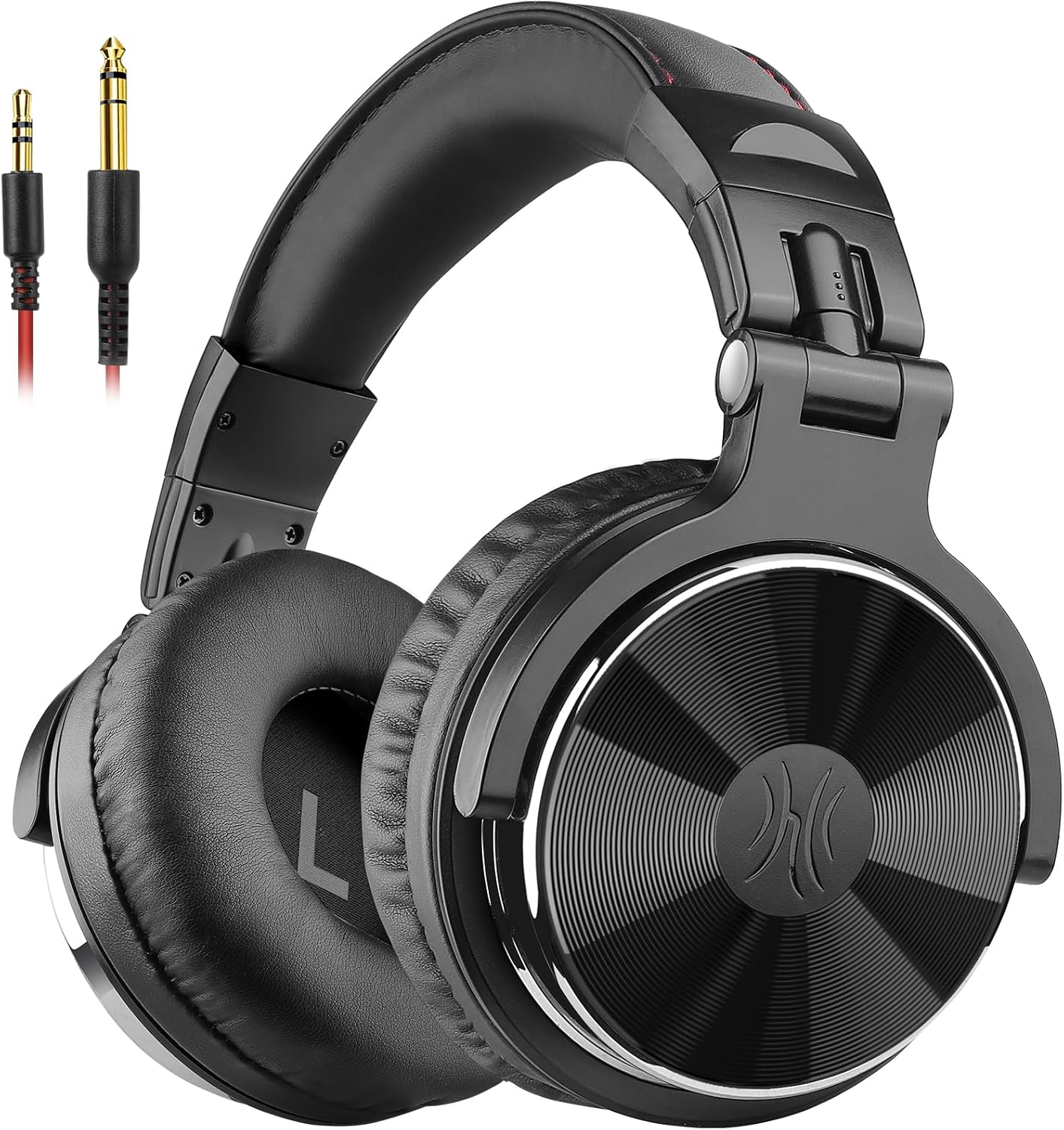
Ready to experience impressive sound quality that dramatically exceeds expectations for the remarkably accessible price point? The OneOdio Studio Monitor Headphones combine clear sound reproduction with superior comfort, making them ideal for budget-conscious audiophiles, aspiring audio professionals, and anyone seeking substantial sonic improvements over consumer headphones without premium pricing. Equipped with substantial 50mm speaker drivers—larger than typical consumer headphones—paired with powerful neodymium magnets, these headphones deliver impressive bass response, clear vocal reproduction, and crisp high frequencies creating a balanced stereo presentation that reveals musical details typically lost with smaller drivers or inferior magnetic systems.
Comfort receives serious attention through soft, padded ear cushions designed specifically for long-lasting wearability and effective noise isolation. The generous padding prevents the pressure discomfort that develops after an hour with inadequate cushioning, while the circumaural design completely surrounds ears creating effective passive noise blocking. The adjustable, stretchable headband allows easily finding the perfect fit and comfortable angle for your unique head shape and listening preferences, ensuring these headphones remain comfortable during extended sessions rather than gradually becoming painful pressure points forcing breaks that interrupt your musical immersion or creative workflow.
Professional features typically found only in significantly more expensive headphones enhance versatility and usability. The 90-degree swiveling ear cups enable single-ear monitoring—essential for DJs cueing tracks while maintaining awareness of their mix, valuable for producers monitoring playback while making control adjustments, and useful for anyone needing temporary environmental awareness. The self-adjusting flexible headband ensures a fatigue-free listening experience even during marathon sessions that would cause discomfort with rigid designs, making these headphones genuinely suitable for the mastering and mixing work their “studio monitor” designation suggests.
Exceptional compatibility ensures these wired headphones work across your entire device ecosystem. They function exclusively in wired mode, connecting reliably with smartphones, laptop computers, tablets, desktop workstations, professional audio interfaces, DJ mixers, instrument amplifiers, and any device featuring either standard 3.5mm or professional 6.35mm (1/4-inch) audio jacks. The included adapter accommodates both connection standards, eliminating the need to purchase separate cables or adapters when switching between consumer and professional equipment. The innovative shared audio port adds collaborative functionality—easily connect another pair of headphones directly to these headphones for shared listening sessions without requiring splitters or special cables. This feature proves perfect for musicians reviewing mixes together, couples watching movies, or parents sharing audio content with children.
The remarkable value proposition makes these headphones accessible to students building first studio setups, hobbyists exploring music production, podcasters establishing recording spaces, and budget-conscious audiophiles seeking substantial upgrades from basic consumer headphones. While they don’t match the absolute sonic refinement of luxury audiophile headphones costing five to ten times more, they deliver 80-90% of that performance at a fraction of the cost—representing exceptional value for those prioritizing practical performance over ultimate bragging rights. Transform your audio experience with these impressively capable OneOdio headphones that prove you don’t need to spend hundreds or thousands of dollars to achieve clear, detailed sound reproduction suitable for both critical listening enjoyment and entry-level professional applications—quality audio has become accessible to everyone regardless of budget constraints.
The Ultimate Guide to Audiophile Headphones: Sound Quality, Comfort, and Critical Listening
Audiophile headphones represent specialized audio equipment designed for critical listening, accurate sound reproduction, and revealing every detail captured during recording sessions. Beyond simply playing music louder, quality audiophile headphones provide neutral frequency response revealing recordings’ true character, wide soundstages creating spatial depth and instrument separation, exceptional detail retrieval exposing subtle musical nuances, and build quality ensuring decades of reliable performance. With diverse technologies available—from open-back to closed-back designs, planar magnetic to dynamic drivers, various impedance levels affecting amplification requirements—selecting the right audiophile headphones requires understanding which specifications genuinely impact listening experience versus marketing terms that sound impressive but provide minimal practical benefit. This comprehensive guide explores everything you need to know about audiophile headphones, helping you identify the perfect critical listening tools that transform your relationship with recorded music.
Understanding Headphone Driver Technologies and Designs
Not all headphone drivers deliver equivalent sound quality or suit identical listening preferences. Understanding the fundamental technologies helps match headphones to your sonic priorities and music preferences.
Dynamic Driver Headphones
Dynamic drivers use electromagnetic voice coils attached to diaphragms, creating sound through electrical current causing coil movement that drives diaphragm motion. These traditional designs dominate headphone markets, ranging from $50-$5,000+ depending on materials, engineering, and brand prestige. Dynamic drivers excel at delivering impactful bass response, handle high volumes without distortion, prove relatively efficient requiring less amplification power, and offer proven reliability through decades of refinement. They work excellently for diverse music genres, users wanting engaging rather than purely analytical sound, and those using portable sources without dedicated amplification. However, dynamic drivers can exhibit coloration from resonances, may lack the ultimate speed and detail of planar alternatives, and require careful tuning to achieve neutral responses. Quality dynamic driver headphones like those reviewed here deliver exceptional performance for most listeners at accessible prices.
Open-Back vs. Closed-Back Designs
Headphone back design dramatically affects sound characteristics and practical usability. Open-back headphones feature perforated or grille-covered earcups allowing air movement and sound leakage. This design creates natural, spacious soundstages with reduced pressure buildup, minimal resonances, and exceptional tonal accuracy—ideal for critical home listening where sound leakage doesn’t disturb others. Open designs leak sound audibly to nearby people and offer no isolation from environmental noise, making them unsuitable for offices, libraries, commutes, or anywhere requiring privacy or quiet. Closed-back headphones feature sealed earcups blocking sound passage. This isolation design prevents sound leakage for private listening, blocks environmental noise enabling focus in noisy locations, and often provides enhanced bass response through sealed acoustic chambers. However, closed designs may sound less spacious or natural, can cause pressure buildup and heat during extended wear, and sometimes exhibit resonances from internal reflections. Most audiophile headphones employ open-back designs prioritizing ultimate sound quality for home listening, while studio monitors often use closed designs for isolation during tracking sessions.
Impedance and Amplification Requirements
Headphone impedance measured in ohms affects how easily they’re driven and which sources provide optimal performance. Low impedance headphones (16-50 ohms) work efficiently with smartphones, laptops, and portable devices, requiring minimal power for adequate volume. They suit mobile use and users without dedicated amplification but may exhibit less damping control and poorer sound quality from high-output-impedance sources. Medium impedance models (50-150 ohms) balance efficiency with sound quality, working acceptably from quality portable sources while benefiting from dedicated amplification. High impedance headphones (250-600 ohms) require dedicated headphone amplifiers or professional audio interfaces, delivering superior damping control, reduced distortion, and often better overall sound quality. They prove impractical for portable use but excel for dedicated home listening with proper amplification. Match headphone impedance to your intended sources—buying 600-ohm headphones without amplification leaves them severely underdriven and poor-sounding, while low-impedance models waste the potential of quality amplifiers.
Essential Features for Critical Listening
Frequency Response and Neutrality
Frequency response describes how headphones reproduce different audio frequencies from deep bass through mid-range to high treble. Audiophile headphones target neutral, flat responses reproducing all frequencies equally without exaggerated bass, recessed midrange, or harsh treble. This accuracy reveals recordings’ true character—well-produced albums sound excellent while poor recordings reveal their flaws. Colored frequency responses initially impress through exaggerated bass or sparkling treble but fatigue during extended listening and obscure recording quality. However, perfect neutrality can sound clinical or boring to listeners accustomed to enhanced presentations. Many audiophile headphones employ subtle voicing—slight bass warmth, gentle treble extension—maintaining overall neutrality while remaining musically engaging. Consider whether you prioritize absolute accuracy for analytical listening or slightly enhanced presentations for enjoyable extended sessions.
Soundstage and Imaging
Soundstage describes the perceived spatial dimensions of reproduced sound—width, depth, and height creating three-dimensional illusion. Wide soundstages place instruments across expansive sonic canvases rather than compressed inside your head. Deep soundstages layer instruments front-to-back creating dimensional depth. Imaging describes precision with which individual sounds locate within soundstage—accurate imaging allows identifying exact instrument positions and tracking their movements. Open-back designs typically provide superior soundstage and imaging compared to closed alternatives, while driver size, acoustic design, and earcup shaping all affect spatial presentation. Exceptional soundstage and imaging prove particularly valuable for classical, jazz, and acoustic recordings where instrumental positioning and venue acoustics contribute substantially to musical experience.
Comfort for Extended Sessions
Audiophile listening often involves hours-long sessions exploring album collections or conducting detailed comparisons. Comfort proves essential as even minor discomfort becomes unbearable after an hour or two. Critical factors include earpad materials (velour breathes better than pleather, protein leather offers premium feel), clamping force (sufficient to maintain positioning without excessive pressure), headband padding and weight distribution, and heat buildup during extended wear. Open-back designs typically prove more comfortable than closed alternatives due to better ventilation preventing sweaty, overheated ears. Adjustability ensures proper fit for diverse head sizes and shapes—inadequate adjustment range leaves some users unable to achieve comfortable positioning. Test headphones personally when possible, wearing for at least 30 minutes to identify developing discomfort that brief trials miss.
Build Quality and Longevity
Audiophile headphones represent substantial investments justifying expectations of decade-plus service lives. Quality indicators include metal rather than plastic structural components resisting breakage, replaceable parts allowing repairs rather than disposal, robust cables with strain relief preventing premature failure, and proven manufacturing from established brands with parts availability. Avoid headphones with known weak points like fragile headband adjustment mechanisms or non-replaceable cables that become disposal points when they inevitably fail. Some manufacturers offer refurbishment services restoring aged headphones to like-new condition—this support indicates confidence in long-term value and commitment to sustainability. Premium build quality justifies higher initial costs through extended ownership periods and maintained resale values.
Optimizing Your Audiophile Listening Experience
Proper Source and Amplification
Headphones represent only one component in audio chains—source quality and amplification significantly impact final sound quality. Lossless audio files (FLAC, ALAC) or high-quality streaming (Tidal HiFi, Qobuz) reveal differences quality headphones expose while lossy formats (MP3, AAC) limit resolution regardless of headphone capability. Dedicated DACs (digital-to-analog converters) improve sound quality over basic computer or smartphone audio outputs. Headphone amplifiers provide clean power, proper impedance matching, and often superior sound quality compared to device headphone outputs. However, diminishing returns apply—expensive amplification won’t fix poor recordings or compensate for mediocre headphones. Prioritize headphones first, then consider amplification if you own high-impedance models or notice volume or quality limitations from existing sources.
Break-In Considerations and Myths
Headphone “break-in” or “burn-in” remains controversial. Proponents claim extended use (50-200 hours) improves sound through driver suspension loosening. Skeptics attribute perceived improvements to listener accommodation rather than physical changes. Limited measurements show minor changes in some parameters but questionable audibility. New headphones may sound slightly different after weeks of use, but this likely reflects your ears and brain adapting to their particular sound signature rather than fundamental driver changes. Don’t stress about break-in—use headphones normally and judge them after a week allowing adaptation. If they sound objectionable initially, they probably won’t transform dramatically regardless of break-in duration. Trust your ears after adequate familiarity rather than waiting for magical transformations that may never occur.
Maintenance and Care
Preserve headphones through proper maintenance and careful handling. Store in protective cases preventing physical damage and dust accumulation. Clean earpads regularly with appropriate products (dry brush for velour, slightly damp cloth for pleather), replacing when they compress or deteriorate. Keep drivers and grilles dust-free using gentle compressed air or soft brushes—avoid liquid contact with drivers. Handle cables carefully avoiding sharp bends near connectors and excessive pulling. For detachable cables, disconnect carefully using proper grip points rather than yanking cables. Some headphones benefit from occasional headband adjustment mechanism cleaning and lubrication preventing loosening or stiffness. Quality headphones properly maintained last decades rather than requiring replacement after a few years.
Making Your Final Decision
When selecting audiophile headphones, define your priorities clearly before comparing specifications. Consider your primary listening location—home listening enables open-back designs while commutes require closed isolation. Evaluate your music preferences—bass-heavy genres may prefer slightly warm signatures while acoustic music benefits from absolute neutrality. Think about your amplification situation—buying high-impedance headphones without amplifiers leaves them underperforming. Assess comfort sensitivity—some users tolerate on-ear designs while others require over-ear comfort.
Consider your budget realistically including potential amplification costs. Read reviews from trusted sources rather than marketing materials, paying attention to comparisons with headphones you’ve heard. If possible, audition headphones personally at audio shops offering return policies allowing home trials. Remember that most expensive doesn’t guarantee best for your preferences—$300 headphones matching your tastes outperform $1,000 models voiced differently. Focus on finding headphones aligning with your sonic preferences, comfort requirements, and intended use rather than chasing objective “best” that may not suit your individual needs.
The perfect audiophile headphones transform music listening from background activity into engaging experiences revealing artistry and production details you’ve never noticed despite hearing songs hundreds of times. By understanding driver technologies, prioritizing features matching your needs, and implementing proper amplification and care, you’ll enjoy musical revelations and long-term satisfaction that justify the investment through decades of critical listening pleasure. Whether seeking reference monitors for professional work or simply wanting to hear your favorite music as artists intended, quality audiophile headphones deliver daily value through enhanced enjoyment, deeper musical appreciation, and the confidence that you’re hearing recordings’ full potential rather than compromised presentations from inadequate equipment.