Looking for the Best Water Filter that delivers clean, safe drinking water while removing harmful contaminants your family shouldn’t be consuming? We understand the challenge of finding a filtration system that truly purifies tap water without requiring complicated installation or constant expensive filter replacements. Our comprehensive guide showcases top-rated water filters that combine advanced purification technology with practical convenience, transforming questionable tap water into refreshing hydration you can trust for cooking, drinking, and everyday use. Tired of filters that produce slow trickles, leave unpleasant tastes, or fail to remove the concerning contaminants that motivated your purchase in the first place? Our expert recommendations feature only the most effective water filtration systems that maintain consistent performance through thousands of gallons while providing genuine protection against lead, chlorine, fluoride, and other substances compromising water quality. Ready to ensure your family enjoys pure, great-tasting water without the environmental guilt and ongoing expense of bottled water? Let’s explore these exceptional options that blend proven filtration science with user-friendly designs for worry-free hydration.
Contents
5. Bluevua Water Filter

Looking for bottled water quality without the environmental guilt, ongoing expense, or physical burden of hauling heavy cases from stores? This premium countertop reverse osmosis system delivers exceptional purification rivaling bottled water through sophisticated six-stage filtration combining microscopic 0.0001-micron RO membrane with UV sterilization and remineralization—creating water that’s not just clean but optimally balanced for taste and health. The WQA certification and SGS testing validate the system’s ability to reduce total dissolved solids, chlorine affecting taste, fluoride many prefer minimizing, concerning heavy metals like lead and arsenic, and modern contaminants including PFOA and PFOS that increasingly contaminate municipal water supplies. The remineralization stage represents thoughtful engineering—while reverse osmosis removes virtually everything including beneficial minerals, this final stage adds back essential minerals creating balanced water that tastes natural rather than flat or acidic like pure RO water often does.
The convenience factor proves revolutionary for renters, apartment dwellers, or homeowners avoiding permanent plumbing modifications. This true plug-and-play system requires absolutely no installation, plumbing connections, or tools—simply add tap water to the reservoir, plug the unit into standard electrical outlet, and begin producing purified water immediately. This portability means you can take the system with you when moving, use it in temporary housing, or even transport it to vacation properties ensuring pure water wherever you go. The high-quality borosilicate glass carafe represents significant upgrade over plastic alternatives used in budget systems—glass won’t leach chemicals into purified water, eliminates concerns about BPA or other plastic compounds, resists scratching and staining that makes plastic look dingy over time, and simply feels more premium during daily use.
The efficiency characteristics address common reverse osmosis criticisms about waste and energy consumption. The impressive 2:1 pure-to-drain ratio means producing one gallon of purified water wastes only half gallon rather than the 3-4 gallons typical of older RO technology—a substantial improvement making this system far more water-efficient than traditional installations. The power-saving standby mode minimizes electricity consumption when the system isn’t actively filtering, reducing operating costs while maintaining environmental responsibility. The built-in filter life monitor eliminates guesswork about replacement timing—the system tracks actual usage and alerts you when filters need changing, typically every 12-24 months depending on source water quality and consumption volume.
The UV sterilization stage provides additional protection beyond what standard filtration achieves, using ultraviolet light to deactivate bacteria, viruses, and other microorganisms that could survive mechanical filtration. This multi-barrier approach ensures comprehensive protection particularly valuable for households with compromised immune systems, young children, elderly members, or anyone particularly concerned about biological contamination. The one-year warranty and ClimatePartner Certification demonstrate manufacturer commitment to both customer satisfaction and environmental responsibility through carbon-neutral operations. Whether you’re renting temporary housing, living in apartments prohibiting permanent installations, concerned about municipal water quality, or simply wanting the convenience of bottled-quality water without bottles, this countertop system delivers the exceptional purification, thoughtful features, and practical convenience that makes pure water feel effortless rather than requiring constant bottle purchasing and recycling efforts.
4. Brita Water Filter
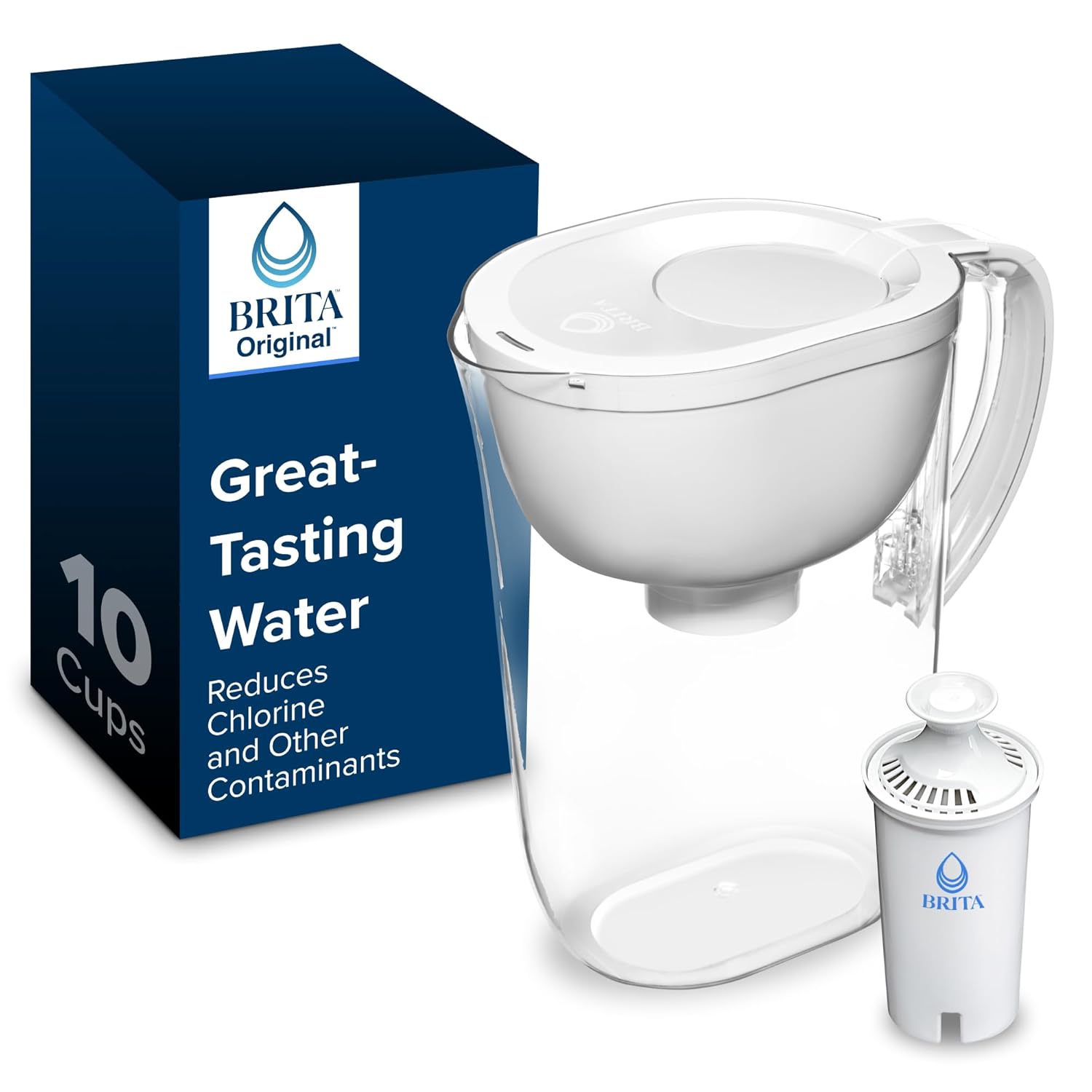
Looking for immediate water quality improvement without any installation, setup complexity, or significant financial investment? This straightforward pitcher solution delivers trusted filtration through the simplest possible implementation—fill the reservoir with tap water and let gravity pull it through the filter cartridge, emerging minutes later noticeably improved in taste and purity. The generous 10-cup capacity holds enough purified water to fill three 24-ounce reusable bottles, making it practical for families, home offices, or individuals consuming substantial daily water rather than constantly refilling tiny pitchers that empty after just one or two glasses. This capacity sweet spot balances adequate volume with refrigerator-friendly dimensions that fit standard shelves without requiring dedicated space reorganization.
The environmental impact reduction proves genuinely significant for households committed to sustainability. By switching from bottled water to filtered tap water, you potentially eliminate up to 1,800 single-use plastic bottles annually—a staggering amount of plastic waste that would otherwise require manufacturing, transportation, and hopefully recycling though most plastic bottles actually end up in landfills or oceans despite best intentions. This waste reduction simultaneously delivers substantial cost savings, as filtered tap water costs mere pennies per gallon compared to bottled water’s dollar-per-gallon or higher pricing. Over years of use, these savings easily exceed hundreds of dollars while dramatically reducing your environmental footprint—genuine win-win rarely achieved so effortlessly.
The filtration technology from the number-one water filter brand effectively addresses the most common tap water complaints. The activated carbon filtration reduces chlorine taste and odor that makes municipal water unpleasant to drink—that swimming pool smell and chemical flavor many find objectionable disappears, revealing the clean, neutral taste water should have. Beyond taste improvement, the filter reduces harmful contaminants including mercury causing neurological damage, copper contributing to gastrointestinal distress, zinc affecting taste, and cadmium linked to kidney damage. While this pitcher filtration doesn’t achieve the comprehensive removal of reverse osmosis systems, it addresses the most pressing concerns for typical municipal water supplies already meeting EPA standards but benefiting from point-of-use polishing.
The practical design details enhance daily usability significantly. The space-efficient profile fits neatly on refrigerator shelves without excessive height blocking shelf space above or awkward depth preventing door closure. The easy-fill locking lid prevents frustrating spills during filling—a common pitcher filter complaint where poorly designed lids fall off or leak when adding water. The comfortable pour handle enables smooth, controlled dispensing without awkward gripping or spill risk from unbalanced pitchers. Despite the sturdy construction necessary for years of daily use, the lightweight design remains easy to handle even when full. The BPA-free plastic ensures no harmful chemicals leach from the pitcher itself, maintaining water purity after filtration.
The filter compatibility flexibility allows choosing between standard filters requiring replacement every two months during typical use, or Longlast filters extending intervals to six months for users preferring less frequent maintenance at higher per-filter cost. This choice accommodates different priorities around convenience, cost per gallon, and environmental impact of filter disposal. Whether you’re taking first steps toward better water quality, seeking affordable improvement over bottled water, living in rentals where permanent systems aren’t options, or simply appreciating straightforward solutions over complex installations, this pitcher delivers the practical filtration, proven performance, and effortless usability that makes improved water quality accessible to virtually everyone regardless of housing situation or technical capabilities.
3. Bluevua Osmosis Water Filter

Looking for advanced purification technology without the permanent installation commitment or plumbing expertise that traditional reverse osmosis systems demand? This innovative countertop purifier delivers comprehensive five-stage filtration with microscopic 0.0001μm RO membrane—the same filtration fineness used in medical and laboratory applications—through completely portable design requiring only electrical outlet access. Simply fill the reservoir with tap water from any source, plug into power, and watch as sophisticated multi-stage filtration transforms questionable tap water into exceptionally pure drinking water dispensed into premium high-borosilicate glass carafe. This glass container represents substantial upgrade over plastic reservoirs used in competing systems, eliminating concerns about chemical leaching from plastic materials potentially recontaminating your freshly purified water.
The smart LED display transforms the user experience from basic filtration to interactive water management. The real-time water quality display shows actual TDS (total dissolved solids) levels in your filtered water, providing tangible proof that filtration is working effectively rather than requiring faith that unseen processes are occurring inside opaque housings. The filter lifespan tracker monitors actual usage and alerts you when replacement becomes necessary based on volume processed rather than arbitrary time intervals that may waste filters changed prematurely or risk using exhausted filters beyond effectiveness. The precise volume dispensing feature lets you select exactly how much purified water you need—fill a specific bottle size, prepare exact recipe amounts, or dispense predetermined daily hydration goals—with the system automatically stopping when target volume is reached rather than requiring constant monitoring to prevent overflow.
The rapid water delivery system produces purified water in under three minutes from starting filtration to dispensing completed—dramatically faster than traditional RO systems requiring storage tanks and producing agonizingly slow trickles during initial fill periods. This speed makes the system practical for immediate needs rather than requiring advance planning to ensure adequate purified water is available when needed. The impressive 3:1 filtered-to-waste water ratio represents substantial efficiency improvement over traditional reverse osmosis installations typically wasting three to four gallons for every gallon produced. While all RO systems generate some wastewater as concentrated contaminants must be flushed away rather than accumulating in filters, this optimized ratio minimizes waste making the system far more water-efficient than conventional alternatives.
The powerful five-stage filtration achieves comprehensive contaminant reduction despite the compact system size. The WQA certification and SGS testing validate effectiveness against diverse threats including total dissolved solids, chlorine affecting taste, fluoride many prefer minimizing, dangerous heavy metals like lead and arsenic, and modern emerging contaminants like PFOA and PFOS increasingly detected in water supplies nationwide. The simple annual filter replacement keeps maintenance minimal—once yearly service rather than frequent filter changes required by pitcher systems or complex multi-cartridge installations requiring tracking different replacement schedules for various filter stages. The bonus fruit-infused water capability with six included recipes adds healthy flavor variety for people who struggle drinking adequate plain water, making proper hydration more appealing particularly for children or anyone finding water boring. Whether you’re renting apartments, living in temporary housing, traveling in RVs, concerned about specific contaminants in your municipal supply, or simply want advanced filtration without permanent modifications, this countertop system delivers the comprehensive purification, intelligent features, and practical portability that makes pure water accessible without the commitment permanent installations demand.
2. Zerowater Water Filter

Looking for pitcher convenience combined with filtration performance rivaling more complex and expensive systems? This advanced five-stage pitcher delivers the most comprehensive filtration available in simple gravity-fed design, achieving virtually complete dissolved solids removal rather than the partial reduction typical of standard pitcher filters. What truly distinguishes this system from conventional pitcher alternatives is the included TDS meter enabling you to measure actual water purity before and after filtration, providing quantifiable proof of effectiveness rather than relying on subjective taste improvement or manufacturer claims. This measurement capability transforms filter replacement from guesswork based on arbitrary timeframes into informed decisions based on actual performance degradation—when TDS readings begin creeping upward, you know filter replacement is genuinely necessary rather than changing prematurely wasting money or continuing use beyond effectiveness risking inadequate protection.
The sophisticated five-stage ion exchange filtration system achieves dramatically more comprehensive contaminant removal than basic activated carbon filters used in standard pitchers. While conventional filters primarily address taste and odor through chlorine reduction, this advanced system removes virtually all dissolved solids including both organic and inorganic contaminants, metals, minerals, salts, and ions that contribute to water hardness, off-tastes, and potential health concerns. The result is exceptionally clean, crisp-tasting water approaching bottled water quality—many users report this filtered water tastes noticeably superior to standard pitcher brands producing adequate but not exceptional results. The ability to achieve near-zero TDS readings rivals dedicated reverse osmosis installations costing hundreds more and requiring professional installation.
The IAPMO certification validates effectiveness against particularly concerning modern contaminants that should motivate anyone’s water filtration decision. The proven reduction of PFOA and PFOS—the “forever chemicals” increasingly detected in water supplies nationwide and linked to serious health concerns including cancer, thyroid disease, and immune system impacts—provides peace of mind that your filtration actually addresses these emerging threats rather than just improving taste. The heavy metal reduction including lead causing neurological damage particularly dangerous for children, chromium linked to cancer, and mercury affecting brain development ensures protection against the contaminants generating most public health concern when municipal water quality failures make headlines. The BPA-free construction means the pitcher itself won’t leach harmful chemicals into your purified water, maintaining purity from filtration through consumption.
The complete starter package includes everything needed for immediate use—the 10-cup ready-pour pitcher with convenient spigot enabling dispensing without lifting and pouring, the initial five-stage filter cartridge, and the essential TDS meter for monitoring performance. The compatibility with both ZeroWater and Culligan ZeroWater branded replacement filters provides sourcing flexibility and competitive pricing through multiple retailers rather than being locked into single-source supplies. The substantial environmental benefit proves impressive—each filter can replace up to 110 single-use plastic bottles based on typical consumption patterns, dramatically reducing plastic waste while eliminating the ongoing expense and physical burden of purchasing, transporting, and disposing of bottled water cases.
The practical capacity and design accommodate typical household needs without excessive bulk. The 10-cup volume provides adequate purified water for families while fitting standard refrigerator shelves, and the ready-pour spigot enables convenient dispensing particularly valuable when pitcher is full and heavy. Whether you’re concerned about specific contaminants detected in your municipal supply, simply want the best-tasting water possible, appreciate quantifiable performance measurement rather than trusting manufacturer claims, or seek pitcher convenience without sacrificing filtration effectiveness, this advanced system delivers the comprehensive purification, proven performance, and practical features that make it the definitive choice for serious water quality improvement through accessible pitcher format.
1. Waterdrop Water Filter
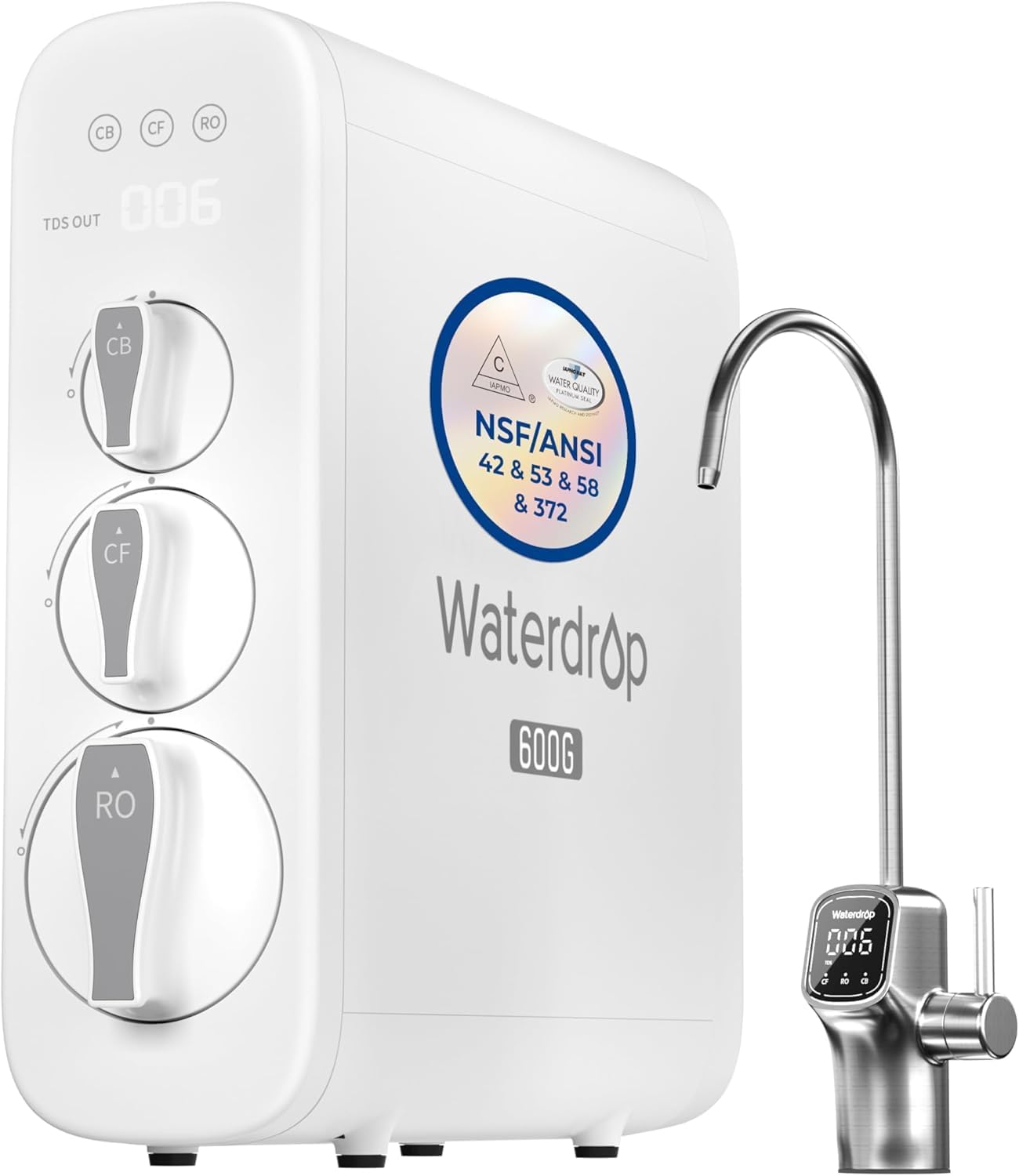
Looking for the ultimate whole-house water solution that eliminates every concern about what’s flowing from your taps? This premium tankless reverse osmosis system represents the pinnacle of residential water filtration, delivering comprehensive eight-stage purification through compact under-sink installation that transforms ordinary tap water into exceptionally pure hydration rivaling the finest bottled water. The impressive certification portfolio validates performance against rigorous independent testing standards—NSF/ANSI 58 certification confirms effective total dissolved solids reduction, NSF/ANSI 372 certification verifies lead-free materials ensuring the system itself won’t contaminate your water, NSF 42 certification proves chlorine reduction alongside taste and odor improvement, while FCC testing and EU/UKCA compliance demonstrate the system meets international safety and performance standards. This comprehensive third-party validation provides genuine confidence rather than relying solely on manufacturer claims that may exaggerate capabilities.
The advanced eight-stage filtration independently tested by SGS achieves comprehensive contaminant reduction addressing both traditional concerns and emerging threats that should motivate anyone’s filtration investment. The system effectively reduces PFAS “forever chemicals” increasingly detected nationwide and linked to serious health impacts, fluoride that many prefer minimizing particularly for children’s developing systems, dangerous heavy metals including arsenic causing cancer and neurological damage alongside chromium and radium, chlorine affecting taste while potentially forming harmful disinfection byproducts, and even radioactive substances that occasionally contaminate water supplies near certain industrial or natural sources. The reduction of industrial chemicals like vinyl chloride and ethylene glycol provides protection against contamination events that occasionally affect municipal supplies, ensuring your family’s water remains safe even when public systems experience temporary quality failures.
The smart display faucet represents sophisticated user interface innovation transforming opaque filtration processes into transparent, monitored systems. The real-time TDS level display shows actual dissolved solids in your filtered water, providing continuous confirmation that filtration is performing effectively rather than wondering whether the system is actually working or has experienced failure you wouldn’t detect until health problems potentially emerge. The filter life status indicator tracks actual usage across multiple filter stages, alerting you when specific cartridges require replacement based on volume processed rather than arbitrary calendar schedules that waste filters changed prematurely or risk using exhausted filters beyond effectiveness. This intelligent monitoring eliminates maintenance guesswork while ensuring optimal performance throughout the system’s service life.
The exceptional 600 gallons-per-day capacity with impressive 2:1 low drain ratio achieves the perfect balance between performance and efficiency. The high production rate fills an eight-ounce glass in just eight seconds—no more waiting at the tap watching agonizingly slow trickles common with older RO technology or smaller-capacity systems inadequate for household demands. This speed makes the system practical for cooking applications requiring substantial filtered water volumes like pasta boiling, soup preparation, or coffee brewing where waiting minutes for adequate water becomes frustrating. The efficient 2:1 drain ratio means producing one gallon of purified water wastes only half gallon rather than the three to four gallons typical of traditional reverse osmosis installations, dramatically reducing water waste while lowering utility costs for households with metered water service.
The tankless, space-saving design represents modern engineering eliminating the bulky storage tanks traditional RO systems require. This innovation frees up to 70% of under-sink cabinet space, making the system practical even in compact kitchens with limited storage where traditional tank-based systems simply won’t fit. The tankless approach also eliminates the stagnant water concerns associated with storage tanks where purified water sits potentially growing bacteria between usage periods. The tool-free filter changes requiring only seconds make maintenance accessible to anyone regardless of mechanical aptitude—twist out exhausted cartridges and snap in fresh replacements without plumbers, wrenches, or struggling with stuck housings requiring professional service calls. Whether you’re building new homes, renovating kitchens, concerned about municipal water quality, have family members with health vulnerabilities requiring pure water, or simply demand the absolute finest drinking water available through residential filtration, this flagship system delivers the comprehensive purification, intelligent features, exceptional performance, and modern convenience that makes it the definitive choice for homeowners refusing to compromise on water quality.
The Ultimate Guide to Water Filters: Pure Hydration Through Proven Technology
Water filters represent essential household equipment transforming questionable tap water into pure, safe hydration for drinking, cooking, and food preparation. Despite municipal treatment meeting EPA standards, tap water often contains residual disinfectants affecting taste, trace contaminants from aging infrastructure, and emerging threats like PFAS “forever chemicals” that regulations haven’t yet addressed adequately. Quality water filters remove these concerns at point-of-use, providing final purification barrier ensuring water reaching your glass meets your standards regardless of municipal treatment variations or distribution system contamination. With options spanning simple pitcher filters under thirty dollars to comprehensive whole-house systems exceeding two thousand dollars, selecting appropriate water filtration requires understanding contaminant threats, comparing filtration technologies, evaluating installation requirements, and matching system capabilities to your specific water quality concerns and household consumption patterns.
Understanding Common Water Contaminants
Municipal Treatment Limitations
Municipal water treatment successfully eliminates acute biological threats like cholera, typhoid, and dysentery that once caused widespread disease, making modern tap water microbiologically safe for immediate consumption. However, treatment processes don’t address all concerns—chlorine used for disinfection remains in finished water affecting taste and odor, aging distribution pipes introduce lead and copper through corrosion, agricultural runoff brings nitrates and pesticides, and industrial contamination introduces compounds treatment wasn’t designed to remove. The EPA sets maximum contaminant levels for known threats but can’t regulate emerging contaminants until research establishes health impacts and feasible removal methods, meaning your tap water may contain substances of concern despite meeting all current regulations.
Emerging Contaminant Concerns
PFAS “forever chemicals” represent the most concerning emerging threat, used in countless industrial processes and consumer products then entering water supplies where their chemical stability means they persist indefinitely. Research links PFAS exposure to cancer, thyroid disease, immune system impacts, and developmental problems, yet most water systems don’t test for these compounds and treatment plants lack equipment to remove them. Microplastics represent another emerging threat—microscopic plastic particles detected in virtually all water supplies from breakdown of larger plastic pollution, with unknown health impacts from chronic ingestion. Pharmaceuticals and personal care products pass through wastewater treatment entering surface waters and eventually drinking water supplies, potentially affecting hormone systems even at trace levels.
Comparing Filtration Technologies
Activated Carbon Filtration
Activated carbon represents the most common and affordable filtration technology, using porous carbon to adsorb contaminants through chemical attraction. Carbon excels at removing chlorine, volatile organic compounds, and many pesticides while improving taste and odor dramatically. However, carbon doesn’t effectively remove dissolved minerals, heavy metals, or microbiological contamination, making it adequate for treated municipal water requiring taste improvement but insufficient for untreated sources or water with specific contamination concerns. Carbon filters require regular replacement as pore capacity becomes exhausted, with lifespan varying based on source water quality and volume processed.
Reverse Osmosis Purification
Reverse osmosis achieves the most comprehensive contaminant removal available in residential systems, forcing water through microscopic 0.0001-micron membranes that block virtually all dissolved solids, heavy metals, microorganisms, and organic contaminants. RO effectively removes fluoride, arsenic, lead, nitrates, and emerging contaminants like PFAS that resist other filtration methods. The tradeoff involves substantial water waste—traditional systems discard three to four gallons for every gallon produced as concentrated contaminants must be flushed away rather than accumulating in membranes. Modern tankless systems improve efficiency to 2:1 or even 1:1 ratios, making RO far more water-efficient than historical implementations.
Ion Exchange and Specialty Media
Ion exchange resins remove dissolved minerals causing water hardness while reducing heavy metals through electrical charge-based attraction and replacement with harmless sodium or potassium ions. This technology proves particularly effective for hard water areas where mineral buildup damages appliances and creates soap scum, though ion exchange alone doesn’t address organic contaminants or microbiological threats. Specialty filtration media like KDF (kinetic degradation fluxion) provide targeted removal of specific contaminants including chlorine, heavy metals, and hydrogen sulfide through oxidation-reduction reactions, often used in combination with activated carbon for broader spectrum removal.
Installation Complexity and Requirements
Pitcher and Countertop Systems
Pitcher filters represent the simplest implementation requiring absolutely no installation—just fill with tap water and wait for gravity-fed filtration. This zero-commitment approach proves ideal for renters, temporary housing, or anyone wanting immediate water quality improvement without tools or modifications. Countertop systems slightly increase complexity, requiring either simple tap adapter connections for automatic filling or remaining completely independent like the countertop RO systems described earlier. Both approaches avoid permanent modifications enabling easy removal when moving while providing genuine filtration improvement over unfiltered tap water.
Under-Sink Installations
Under-sink systems deliver the best balance of performance and convenience, providing filtered water through dedicated faucets while keeping filtration equipment hidden beneath sinks. Installation typically requires basic plumbing skills—connecting supply lines, drilling faucet holes if needed, and ensuring adequate drain access for RO systems. Most motivated homeowners can complete installations in 1-2 hours using included instructions and basic tools, though professional installation remains option for those uncomfortable with plumbing work. The permanent nature suits homeowners planning extended residence but proves less practical for renters without landlord permission for modifications.
Filter Replacement and Maintenance
Understanding Replacement Intervals
Filter lifespan varies dramatically based on technology, source water quality, and household consumption. Pitcher filters typically last 40-120 gallons or 2-6 months depending on type, requiring frequent replacement that becomes ongoing expense consideration. Under-sink carbon filters generally last 6-12 months, RO membranes extend 2-3 years with proper pre-filtration, and specialty media varies 1-5 years based on specific application. Manufacturers provide replacement schedules based on average conditions, but heavily contaminated source water exhausts filters faster while exceptionally clean municipal supplies extend lifespan beyond rated capacity.
True Cost of Ownership
Initial purchase price represents only partial cost consideration—ongoing filter replacement expenses determine true long-term cost. A thirty-dollar pitcher with ten-dollar replacement filters every two months costs $90 annually in maintenance, potentially exceeding initial investment multiple times over typical five-year lifespan. Premium systems with $500+ initial cost but $100 annual filter expenses prove more economical long-term than cheaper systems with expensive consumables. Calculate cost-per-gallon including initial investment and maintenance over realistic lifespan to determine genuine value rather than focusing solely on purchase price that may mislead cost comparisons.
Measuring Filtration Effectiveness
TDS Testing Fundamentals
Total dissolved solids measurements provide quantifiable filtration performance assessment rather than relying on subjective taste improvement. Simple TDS meters costing $10-30 measure electrical conductivity indicating dissolved mineral and contaminant concentration, with lower readings indicating purer water. Municipal water typically measures 50-500 TDS depending on source, while effective filtration should reduce this substantially—quality carbon filters might achieve 30-50% reduction while reverse osmosis should produce water under 10 TDS. Regular testing confirms your system is working effectively and alerts you when filter replacement becomes necessary through rising TDS readings indicating exhausted filtration media.
Limitations and Considerations
TDS measurements don’t tell complete stories—they measure total dissolved solids without distinguishing between harmless minerals and dangerous contaminants. Water with high TDS from calcium and magnesium poses no health threat despite elevated readings, while low TDS water could still contain organic contaminants or microorganisms that don’t significantly affect electrical conductivity. Use TDS as one indicator of filtration performance alongside taste improvement, odor reduction, and confidence that your specific concerns are being addressed by your chosen technology. For critical applications or known contamination concerns, professional water testing identifying specific contaminants provides definitive assessment justifying filtration investment.
Making Your Final Selection
When selecting water filters, start by identifying your specific concerns—taste improvement alone suggests activated carbon suffices, while heavy metal contamination or comprehensive purification goals require reverse osmosis or advanced multi-stage systems. Consider your housing situation realistically—renters benefit from portable solutions while homeowners can invest in permanent installations offering better long-term value. Evaluate household size and consumption patterns honestly—systems adequate for single occupants prove inadequate for families of four consuming several gallons daily.
Research your specific municipal water quality through annual consumer confidence reports utilities must provide, identifying which contaminants appear at levels concerning you. Match filtration technology to actual threats rather than pursuing maximum purification when simpler solutions address your legitimate concerns. Calculate true cost including maintenance over realistic ownership periods rather than focusing solely on purchase price that may mislead value assessment.
The perfect water filter balances adequate contaminant removal for your specific concerns with practical convenience matching your lifestyle, housing situation, and maintenance willingness, wrapped in cost-per-gallon making economic sense versus bottled water or alternative solutions. By understanding the threats, honestly evaluating your priorities, and selecting from reputable manufacturers committed to filtration innovation and third-party testing validation, you’ll find systems that deliver pure, safe, great-tasting water transforming hydration from concerning necessity into confident enjoyment that enhances health and eliminates the environmental guilt and ongoing expense of bottled water dependency.